
Curating Art Lamps for Distinctive Interiors
A room can be beautifully furnished and still feel unfinished. Often, the missing piece is not another chair, rug, or work on paper. It is light with presence. The kind that shapes a corner, changes the mood of a surface, and feels considered even when switched off.
That is where art lamps become so compelling. They do more than illuminate. They introduce color, texture, form, and atmosphere. In the right setting, a lamp can read like a small sculpture, a collected object, and a practical source of light all at once.
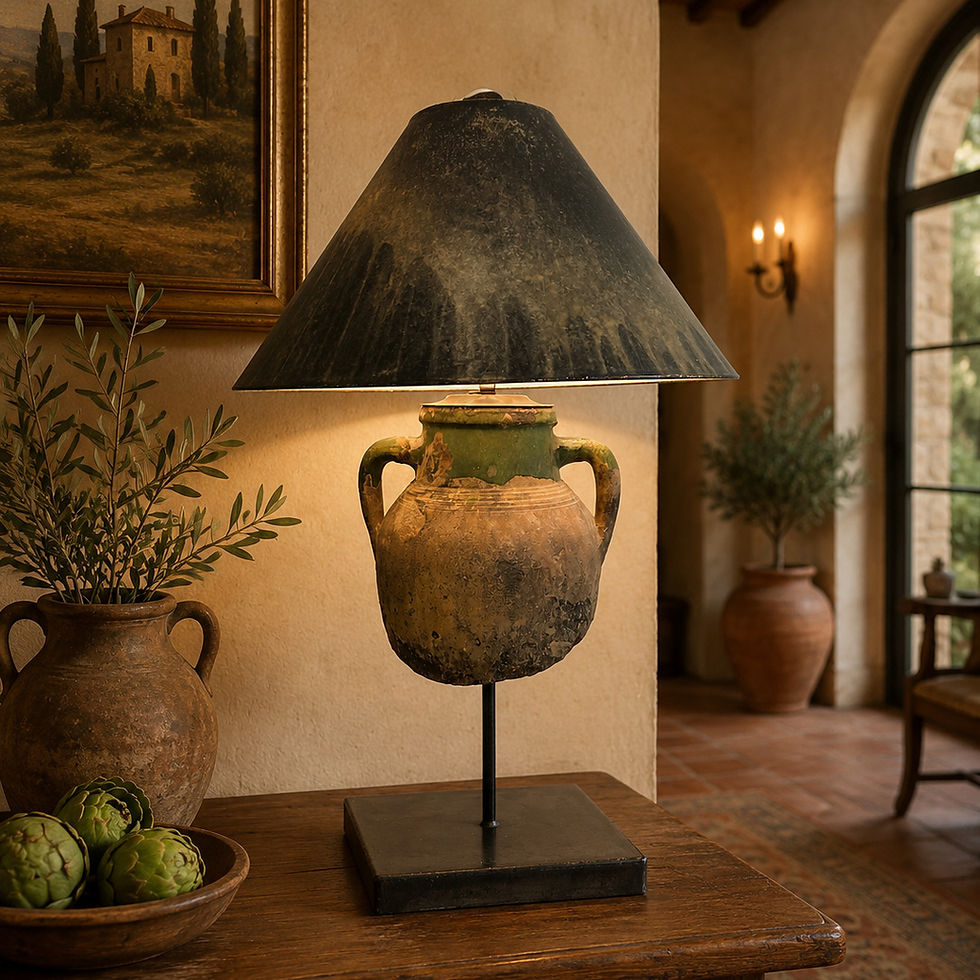
Lampwardrobe’s handcrafted, hand-painted lamps sit within this rich middle ground between utility and art. Each piece carries the trace of the maker through brushwork, surface variation, translucent materials, and the way light moves across color. For interiors that value individuality, these lamps offer a way to make lighting feel personal rather than purely technical.

Art lamps bring together illumination and collectible design
The best lighting does not disappear into a room. It belongs there.
Artistic lighting can soften a space, create intimacy, and guide the eye. But when the lamp itself has a notable form or surface, it begins to function as an object of collection. It becomes part of the room’s visual language, much like a ceramic vessel, a small bronze, or a framed work.
This is why collectible lighting has such lasting appeal in distinctive interiors. A thoughtfully chosen lamp offers more than brightness. It introduces:
Material character
Hand-painted surfaces, sculptural bases, and tactile finishes give the eye something to rest on.
A sense of authorship
The marks of handwork keep the object from feeling anonymous or overproduced.
Visual depth
Color, translucency, and shadow shift throughout the day, so the lamp is never entirely still.
Functional beauty
The piece serves a practical role while adding emotional and aesthetic value.
Mass-produced lighting often treats the lamp as a supporting element. A handcrafted lamp can become a focal point. It may anchor a reading corner, animate a console, or provide a quiet note of surprise in a restrained room.
Lampwardrobe’s hand-painted approach is especially well suited to interiors where objects are chosen slowly and deliberately. A brushstroke, a glaze-like effect, a layered hue, or a softly imperfect surface can make each lamp feel singular. These details are not flaws to hide. They are what give the piece its life.
Color, texture, translucency, and light shape the experience
An art lamp changes as the light around it changes. In daylight, its painted surface may read as color and pattern. At dusk, the silhouette grows more important. Once lit, the shade, base, and surrounding walls become part of the composition.
This layered effect is what separates unique lamps from ordinary fixtures. They create interest on several levels at once.
Color sets the emotional tone
Color is often the first thing noticed. A hand-painted lamp with deep blue, ochre, mineral green, clay red, or warm ivory can bring a room into focus without overwhelming it.
The most refined interiors rarely match every tone perfectly. Instead, they repeat colors with restraint. A lamp might pick up a note from a painting, echo the undertone of a rug, or create contrast against a neutral wall.
For example, a lamp with soft terra-cotta and cream detailing can sit beautifully near a cognac leather chair, a pale oak table, or artwork with warm earth tones. A piece with inky blue or charcoal brushwork may sharpen a room filled with linen, stone, and bleached wood.
The goal is not exact coordination. It is resonance.
Texture makes the lamp feel alive
Texture gives lighting a physical presence. A smooth glossy surface reflects light cleanly. A matte finish absorbs it. A hand-painted surface does both in subtle ways, especially when pigment density and brushwork vary across the form.
This matters because interiors are experienced up close. The hand reaches for the switch. The eye catches a raised edge of paint. The lamp becomes part of daily rituals, not just a decorative object seen from across the room.
Handcrafted lamps also bring relief to rooms with many flat planes. Against painted drywall, polished stone, glass, or metal, a textured lamp introduces softness and human scale.
Translucency adds quiet drama
Translucency is one of lighting’s most poetic qualities. A shade or painted body that allows light to pass through in degrees can create a subtle glow rather than a hard beam.
This is especially effective in evening rooms. A translucent element can make color feel suspended in light. It can soften the boundary between the lamp and the air around it. The result is gentle statement lighting, expressive without shouting.
Shadow completes the composition
A lamp does not only cast light. It casts shadow. The shape of the base, the angle of the shade, and the strength of the bulb all affect how nearby surfaces appear.
A sculptural lamp placed near a textured wall can bring out plaster movement or paneling detail. On a bookshelf, it can create depth between objects. Beside artwork, it can add atmosphere without competing with the piece itself.
Curating art lamps starts with the room’s purpose
A strong interior does not treat lighting as an afterthought. Before choosing a lamp, consider what the room needs emotionally and functionally.
A living room may need layered light for conversation, reading, and evening warmth. A bedroom may call for softness and calm. A hallway or entry may benefit from a memorable object that sets the tone for the rest of the home. A dining area may need accent light that flatters materials after dark.
Once the purpose is clear, the lamp can be curated as both object and tool.
The right lamp should answer two questions at once: what does this space need to feel complete, and what does it need to function beautifully?
This approach is especially useful when working with handcrafted lamps, because each piece has a stronger personality than a standard lamp. The goal is to let that character support the room, not fight it.
Placement should feel intentional, not merely convenient
The simplest way to elevate a lamp is to place it where it can be seen in relation to other meaningful elements.
A lamp on a side table does not need to stand alone. It can converse with a chair, a piece of art, a stack of books, or a vessel. On a console, it can frame a mirror or balance a sculptural object. On a bedside table, it can soften the rectangular geometry of the bed and headboard.
Consider these placement ideas:
Beside artwork
A lamp can echo a color in the work or create a warm glow that makes the wall feel more intimate.
Near architectural details
Positioning a lamp close to molding, built-ins, stone, or textured plaster can reveal details that overhead lighting misses.
On a console or credenza
This placement gives the lamp room to be read as an object, especially in entryways and living rooms.
Within a reading corner
A distinctive lamp can create a self-contained moment with a chair, side table, and textile.
On open shelving
Smaller lamps can add depth and light between books, ceramics, and collected pieces.
Avoid placing a highly expressive lamp in a crowded area where it cannot breathe. A hand-painted lamp needs enough negative space for its form and surface to register.
Scale determines whether a lamp feels confident
Scale can make or break a lighting choice. A lamp that is too small may look like an accessory. A lamp that is too large may overpower the furniture around it.
There is no single rule for every room, but proportion helps. A lamp should relate to the height, width, and visual weight of the surface beneath it. On a broad console, a small lamp can feel lost unless paired with art or objects that extend the composition. On a delicate side table, an oversized base may feel unstable or crowded.
Think about scale in three ways.
Height affects comfort and mood
For bedside and reading lamps, the height of the shade should support comfortable light. In living spaces, a shade that sits roughly around seated eye level often feels natural. In entries and hallways, a taller lamp can add presence and draw the gaze upward.
Width affects balance
A generous base can look beautiful on a substantial table or cabinet. A narrow surface usually needs a slimmer profile. Leave enough room around the lamp for the surface to feel composed rather than packed.
Visual weight matters as much as size
A dark, heavily textured lamp may appear larger than its measurements suggest. A pale, translucent lamp may feel lighter. Painted pattern also affects visual weight. Dense color and contrast feel bolder, while soft tonal variation reads more quietly.

Color coordination should create conversation across the room
Color coordination does not mean matching the lamp to the drapery, the pillows, and the artwork in a literal way. The more elegant approach is to let the lamp connect different elements through shared undertones, contrast, or rhythm.
A hand-painted Lampwardrobe piece might repeat a color found in a painting across the room. It might pull out the warm tone in walnut furniture or the cool note in marble. It might introduce a surprising accent that gives a neutral room energy.
Use one of these approaches when curating color:
Echo a color already in the room
Create a controlled contrast
Bridge several materials
Let the lamp be the accent
Choose a lamp that repeats a secondary tone from artwork, textiles, or ceramics.
Place a warmer lamp in a cool room, or a darker lamp against pale surfaces.
Select a piece that connects wood, stone, metal, and fabric through color or finish.
In a restrained space, one richly painted lamp can provide the main color moment.
Color also changes under illumination. A shade can warm the base, and the bulb temperature can shift how painted tones appear. Warm light can soften reds, golds, creams, and browns. Cooler light can make blues, greens, and grays feel crisper. For most living spaces, a warm, gentle bulb tends to flatter handcrafted surfaces and create a welcoming atmosphere.
Artistic lighting should complement art, furniture, and architecture
A distinctive lamp does not need to compete with the rest of the room. In the best interiors, lighting builds relationships.
Near artwork, a lamp can support the mood of a piece without trying to light it like a gallery fixture. A soft pool of light below or beside a painting can make the arrangement feel layered. If the artwork is highly detailed or colorful, a quieter lamp may be the better choice. If the art is minimal, a more expressive lamp can add warmth and complexity.
With furniture, the lamp should respect silhouette and material. A sculptural base can soften a clean-lined sofa. A painted lamp can add intimacy to a sleek console. A translucent or pale piece can lighten the presence of dark wood. The lamp becomes part of the furniture grouping, not an isolated ornament.
Architectural details also benefit from careful lighting. A lamp placed near fluted wood, plaster texture, built-in shelving, or a stone fireplace can reveal depth that flat overhead light tends to flatten. This is one reason statement lighting works so well at a domestic scale. It can make familiar architectural surfaces feel newly observed.
Layering lamps creates a richer interior
One art lamp can define a vignette. Several can shape an entire room.
Layered lighting works best when each source has a role. A ceiling fixture may provide general illumination. A floor lamp may support reading. A table lamp may bring atmosphere to a corner. A small accent lamp may create depth on a shelf.
When working with more than one expressive piece, vary the forms. A tall lamp on a console can pair with a lower, rounded piece beside seating. Similar colors can connect them, while different shapes keep the room from feeling repetitive.
Restraint matters. Too many strong lamps in one room can dilute the effect. Let one piece lead, then allow the others to support it.
For collectors, this creates an appealing way to build over time. A room can include lighting gathered with the same care as art, ceramics, or furniture. Each piece adds a layer of memory and taste.
Craftsmanship gives the room its human note
The most memorable interiors do not feel assembled all at once. They feel shaped by attention.
That quality is central to Lampwardrobe’s handcrafted, hand-painted lamps. The value lies not only in the finished object, but in the visible care behind it. A painted surface catches light differently than a printed one. A handmade form carries subtle variation. A translucent detail glows in a way that feels intimate and specific.
This individuality is what makes functional art so compelling. The lamp serves the room every day, but it also offers something to notice. A shift in color at sunset. A small irregularity in the painted surface. A glow that changes the character of a wall.
For interiors built around distinctive pieces, that kind of quiet discovery matters.
A distinctive lamp changes how a room is read
Curating art lamps is not about adding decoration at the end. It is about choosing light with the same care given to artwork, furniture, and materials. The right piece can balance scale, introduce texture, deepen color, and create atmosphere. It can make a room feel more personal, more collected, and more complete.
Lampwardrobe’s handcrafted art lamps and distinctive lighting pieces offer a refined way to bring illumination and artistry together. Explore the collection to find pieces that add presence, character, and the lasting beauty of hand-painted work to your interior.


Comments